by Chris Cottom
As the motorcar crunches across the driveway of Tauntfield House, my sister, Edith, explains that the maids and our few remaining male servants are lined up on the left, with our parents at the door. She instructs me to take her arm, which I do as far as the steps. These, however, I insist on managing by myself, scratching my way with my cane, unsteady but resolute. When I reach the top, perspiring a little, the voice of an older man calls out, “Welcome home, sir,” and I smile because it’s Durbin, famed for cultivating the finest orangery this side of the Dorsetshire border.
Over luncheon, Mother fusses as if the hospital hadn’t fed me, and rings for Zillah to take my mutton back to Cook, to have her slice it smaller for me. Naturally I don’t let her, but, by the end of each course, the only sound of cutlery scraping its plate is mine, the others all having long finished.
“How is Marigold?” I ask Edith, referring to the mare who used to take her to school and who not only knew when it was time to bring the trap round to the front door but when it was the weekend and she wouldn’t be needed.
Mother’s chair screeches on the floorboards as she rises. “I’m sure Marigold is very well. Now let me give you some more pie. Edith, pass Robert’s plate and tell him about our musical evening in aid of the Fund for Wounded Somerset Soldiers.”
Afterward, Father fugs up his study with a leathery-smelling cigar, standing, I sense, in front of his rose marble fireplace as always. I have no doubt he’s resting his left hand on the mantelpiece while he questions me for news of the Front, news of my brothers, before understanding at last that I have no news to give.
Later, after a nap, Edith leads me to the veranda, where she tells me about the new school they’ve turned into a war hospital, how she sterilizes equipment, bathes patients, bandages their wounds, and prepares and applies their poultices.
“My favourite task, but sometimes the hardest, is writing out their letters to their sweethearts.” She takes my hand and squeezes it. “Or their wives and children. Sometimes their poor mothers.”
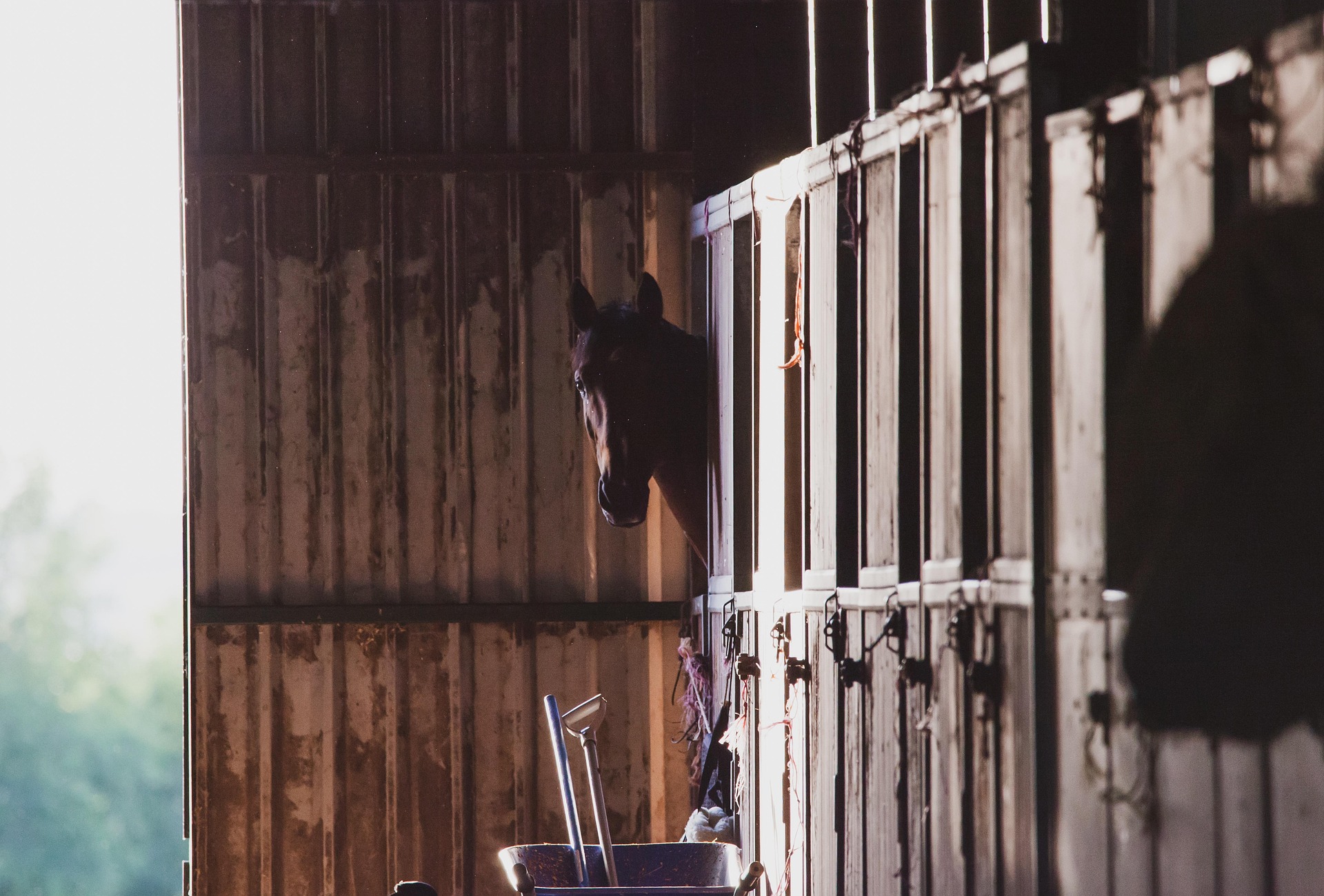
She talks of walking to work through the meadows with their ox-eye daisies and giant kingcups, their willow trees and cowslips. She chatters about blackbirds and bullfinches and naughty sparrows, about the swallows nesting outside the stables.
“It sounds,” I say, “like you can’t have much time to ride.”
“Oh . . . I’m far too busy for that.”
Edith and I have always been close. She’ll know I noticed her hesitating.
“What is it?” I say.
“Nothing! Just sorry I’ve been chuntering on about things you’ll never . . . things you can’t do.”
She wouldn’t mind if I touched my fingertips to her face. But I know anyway that she’ll be blushing.
“You can be my eyes,” I say. “You must tell me the moment the swallow chicks fledge. Now, how is everything at Saint Mark’s?”
Her voice quickens as she tells me about the curate, Reverend Potter: his heart for the poor, how fervently he preaches. It seems my little sister is probably in love.
The air begins to cool after she goes in to dress for dinner. I smoke a cigarette, trying to imagine her wedding day, when I too will need someone to walk me up the aisle. Edith will make a splendid vicar’s wife, visiting the sick with a basket on her arm, dispensing apples from her orchard and tracts from Scripture. Assuming Reverend Potter’s feelings are reciprocal, I imagine going to stay with them in whichever draughty vicarage he’s called to, sitting there uselessly in the evenings while he reads his clever books and Edith embroiders hassocks or sews a glorious altar frontal.
In the morning, everyone bustles about preparing for church, the maids admiring one another in their Sunday best, and Edith fresh with something more fragranced than her usual lavender water. I tell Mother I can’t face psalms and sympathy yet, that I’ll sit in the orangery with a fresh pot of tea. She says Zillah will have to manage with Evensong only, directs her to stay behind, and orders the household out and away.
Once the grandfather clock has finished chiming ten, I tinkle the brass handbell on the table at my side. I want to ask Zillah if she’s courting, whether her golden hair has darkened at all, if she remembers kissing me in the hayfield the summer we turned sixteen. Instead, I ask her to fetch me some sugar lumps.
“For I should like to visit the stables, if you will lend me your arm.”
My mind slips to a stable in France, an expressionless girl on a stained blanket, the reek of carbolic as her mother soaped her a rag. I remember their plate spilling with coins and cigarettes, the line of men outside, patient and unabashed.
Zillah, it seems, is back already. Or she’s still standing in the doorway, not heeding my request.
“The thing is, sir,” she stutters, and I hear her crossing the orangery toward me.
“Yes, Zillah?”
“The horses . . .”
I pull myself to my feet. I can smell the distress on her skin.
“The . . . the Army,” she says.
“Not all of them?” I say. “Surely not all of them?”
“All of the hunters, yes, sir.”
“Just the hunters? Not Marigold then?”
“Marigold as well, sir.”
Fearful of falling, I press my cane hard on the tiled floor, only to drop it and hear it skittering away. Immediately, Zillah’s hand is steady on my elbow.
I think of Edith driving the trap; her delight when she took Marigold’s reins for the first time; how, half a mile before the pillared gateway of Tauntfield House, the mare would always pick up her pace, certain of the sugar lump in my sister’s pocket. Suddenly I’m overcome by weariness and despair, ashamed of myself in front of Zillah.
“Sir . . . please,” she says, stepping closer and smudging away my tears with the heel of her hand.
Then, there in the orangery on my first Sunday home, Zillah Matthews lays her head against my shoulder and puts her arms around me. As she rocks me gently in the citrus-scented stillness, I can feel the beat of her heart.