by Reyna Espinoza
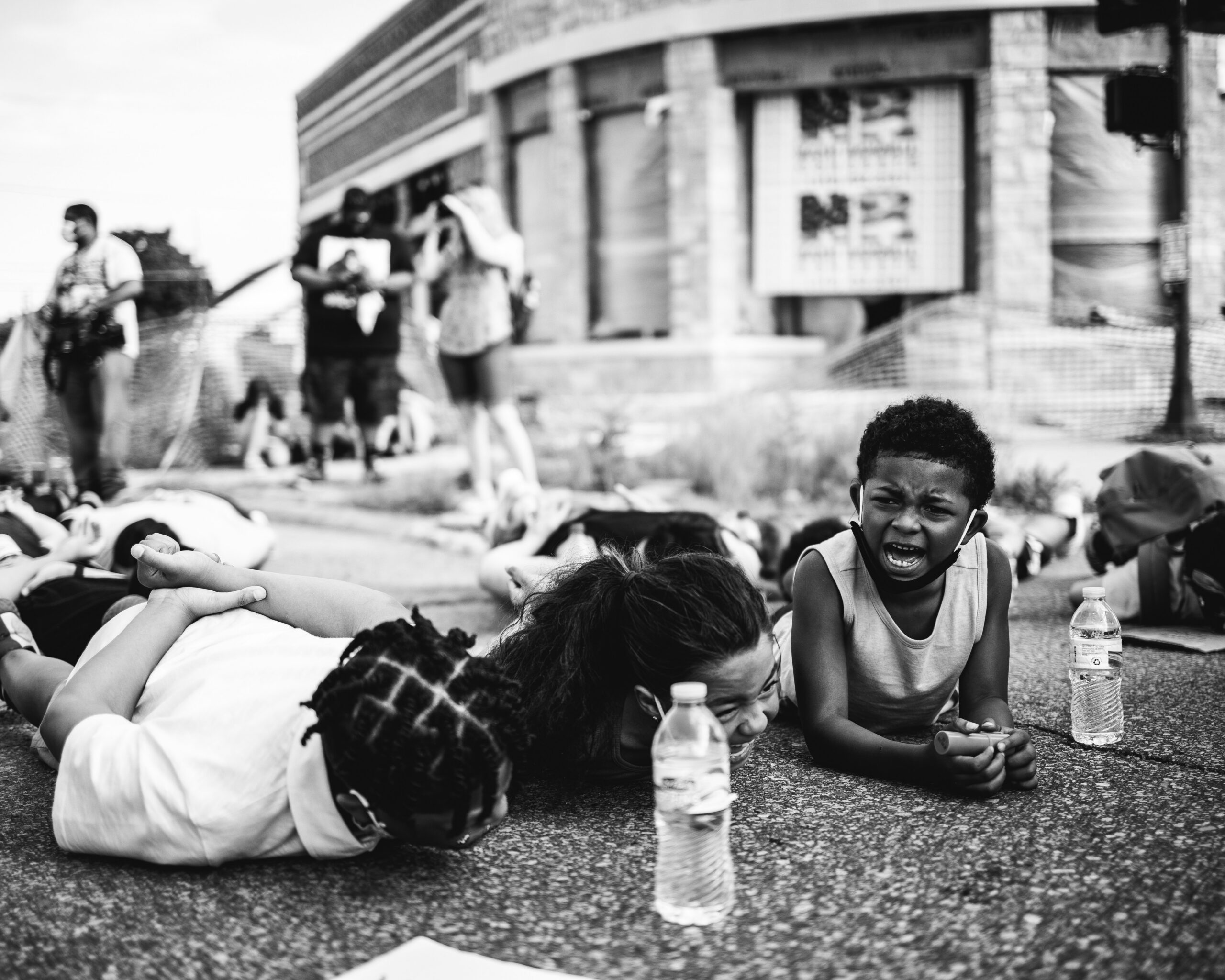
What will you tell your children
when they are grown
and ask who you were?
Will you tell them the truth?
Will you tell them you were cruel?
Will you tell them you enforced the rules?
“I did my duty,” you’ll say,
as if duty were blameless,
as if obedience absolved you,
as if a fool did not teach you
that rights are expendable.
Civil liberties,
worthless to him,
and to you, only language
lost to air.
Will you tell them how you chased a man
to the edge of a roof?
“He ran,” you’ll explain,
as if fear were evidence,
as if falling were guilt,
as if his body became your proof.
Will you tell them how rage carried you
into the path of a truck,
how you pulled an innocent worker
from the road that led him home,
how his son learned
what absence sounds like?
Each morning you rose
and lifted your hand to salute.
“I did what I could,”
you told a god
who never answered,
while children waited, crying for their mothers.
“They’ll be fine,” you said,
paperwork complete,
grief reduced
to a number.
What will you tell them about skin?
“That it doesn’t matter,” you’ll insist,
warning them not to darken,
not to linger too long in the sun,
teaching them which bodies belong
and which are always suspect.
Will you tell them about the morning
you came to their school?
“He wasn’t like you,” you said,
as you took their friend away,
the one they loved,
the one who never came back.
And when they ask about equality,
will you tell your daughter
her silence is inheritance,
that her brother comes first,
that this is order?
Will you tell them what lives in your chest:
a heart trained for obedience,
faithful not to justice
but to power?
What will you tell your daughter
who loves a brown boy?
Your son
who loves another man
and hides it?
Will you take them too?
Will you call it procedure?
You’ll say rights are negotiable.
That promises expire.
That your king was great.
“What will you tell your children?”
I ask again.
You’ll murmur,
“He was right,”
lifting your hand
in that familiar gesture.
Promises will turn to dust.
Rights will burn to ash.
And those people,
you’ll say
they never really mattered.