We’re back with Part II of last month’s Word for Word Publishing Panel, featuring industry experts Jane Friedman and Laura Stanfill. You can read Part I here.
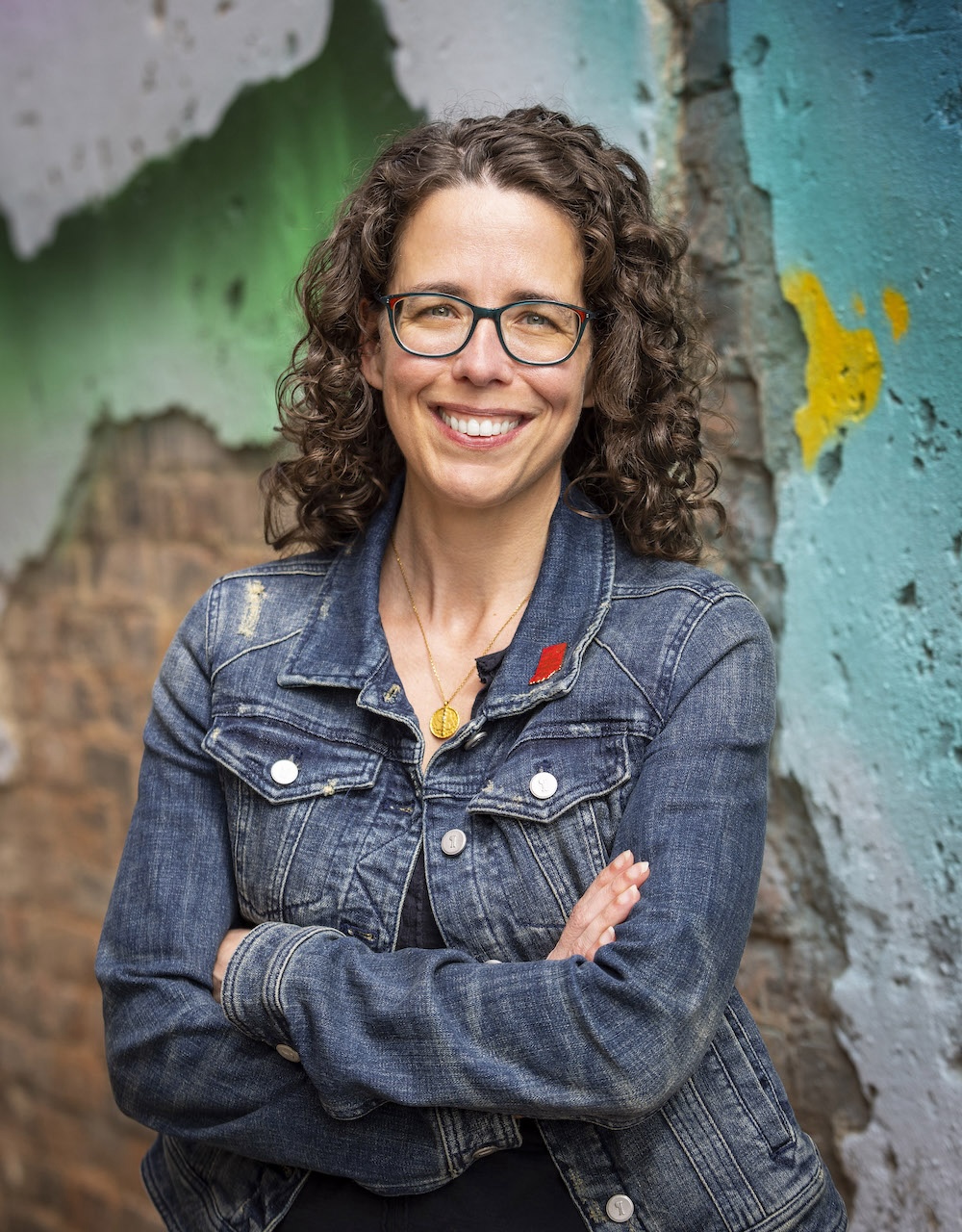
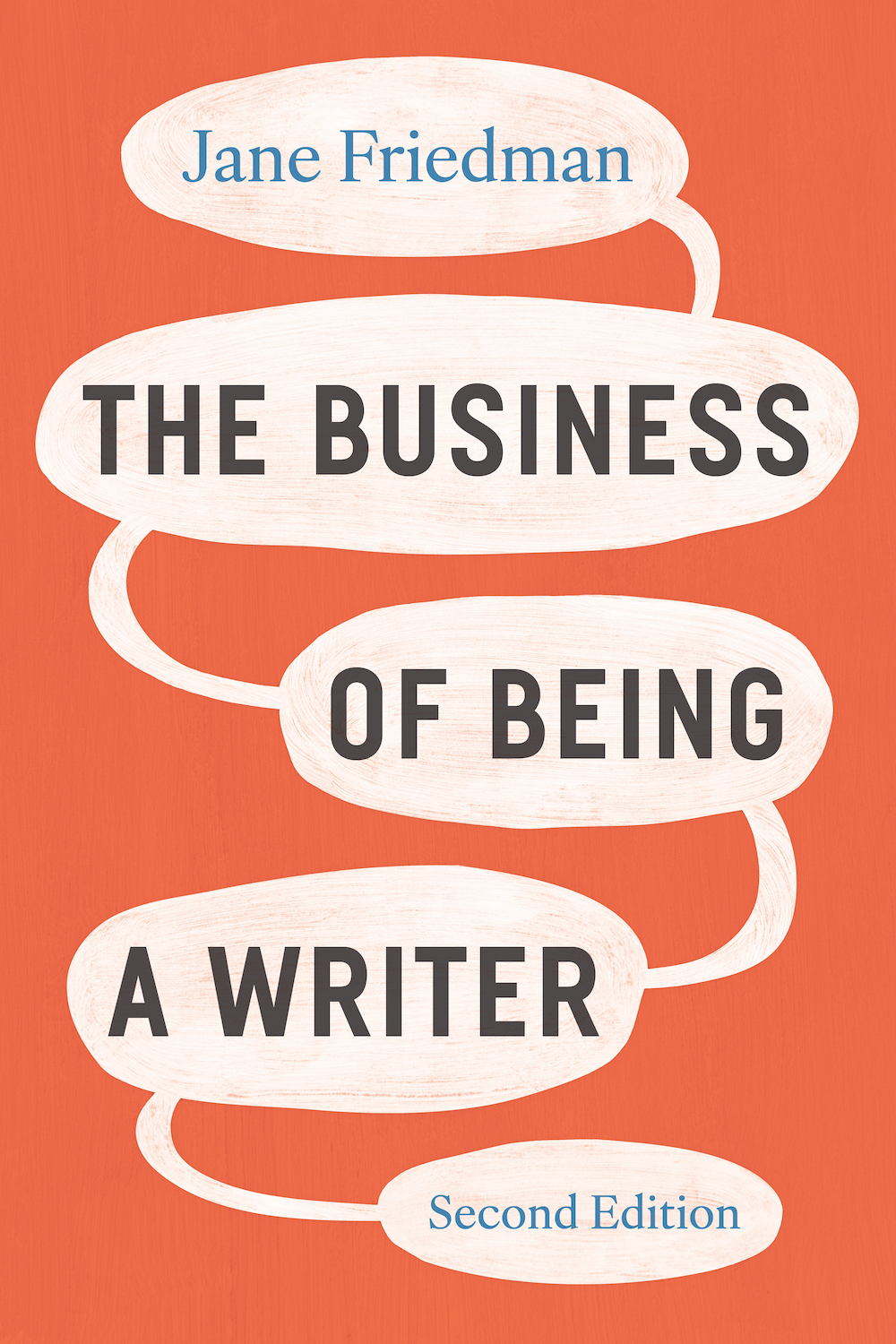
Jane Friedman needs no introduction to aspiring writers. Her book “The Business of Becoming a Writer” is used as a class text in the Online MFA and in many other degree programs. Her long-running newsletter “The Bottom Line” provides nuanced market intelligence to thousands of authors and industry professionals. In 2023, she was named Publishing Commentator of the Year by Digital Book World.
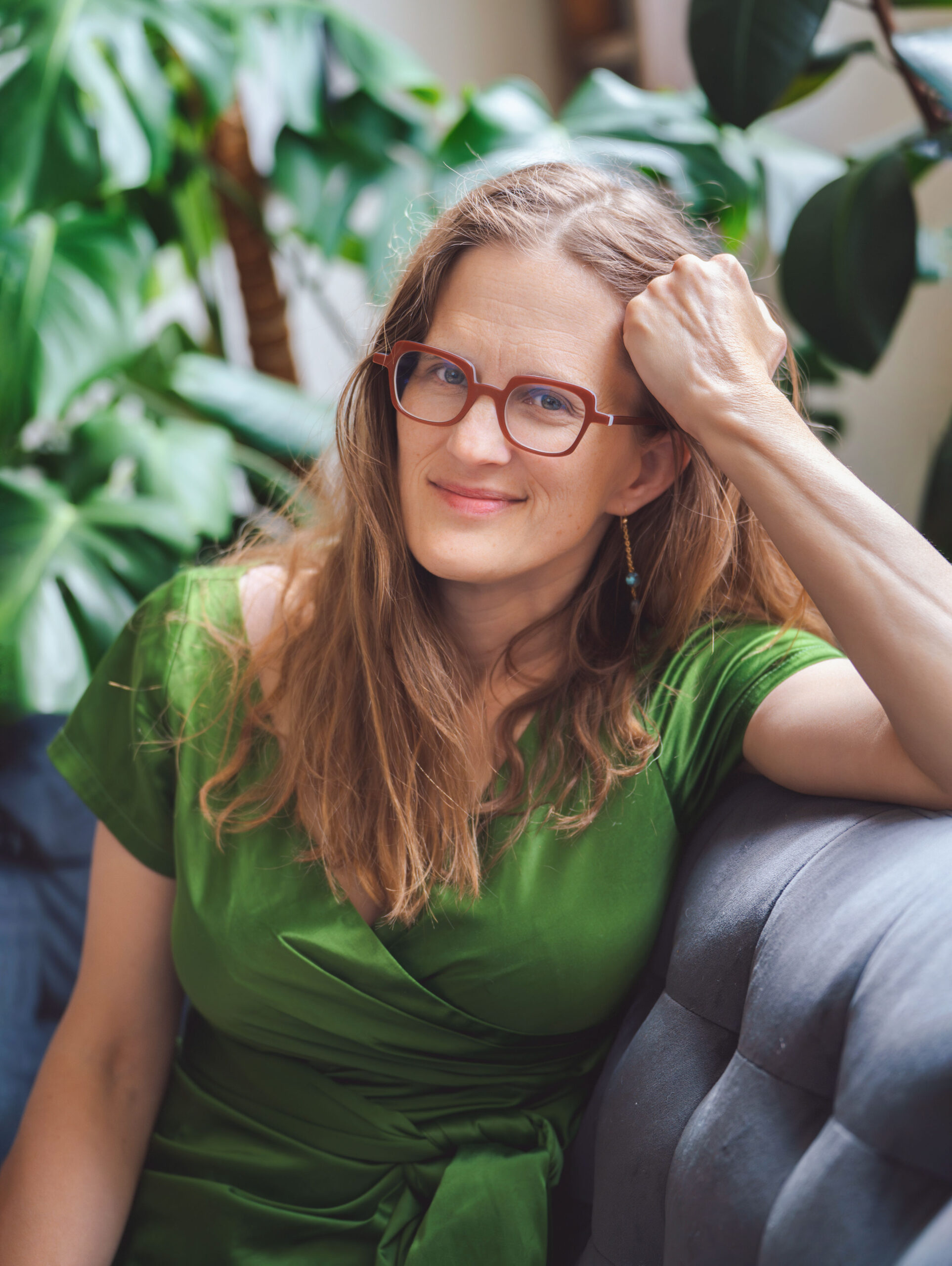
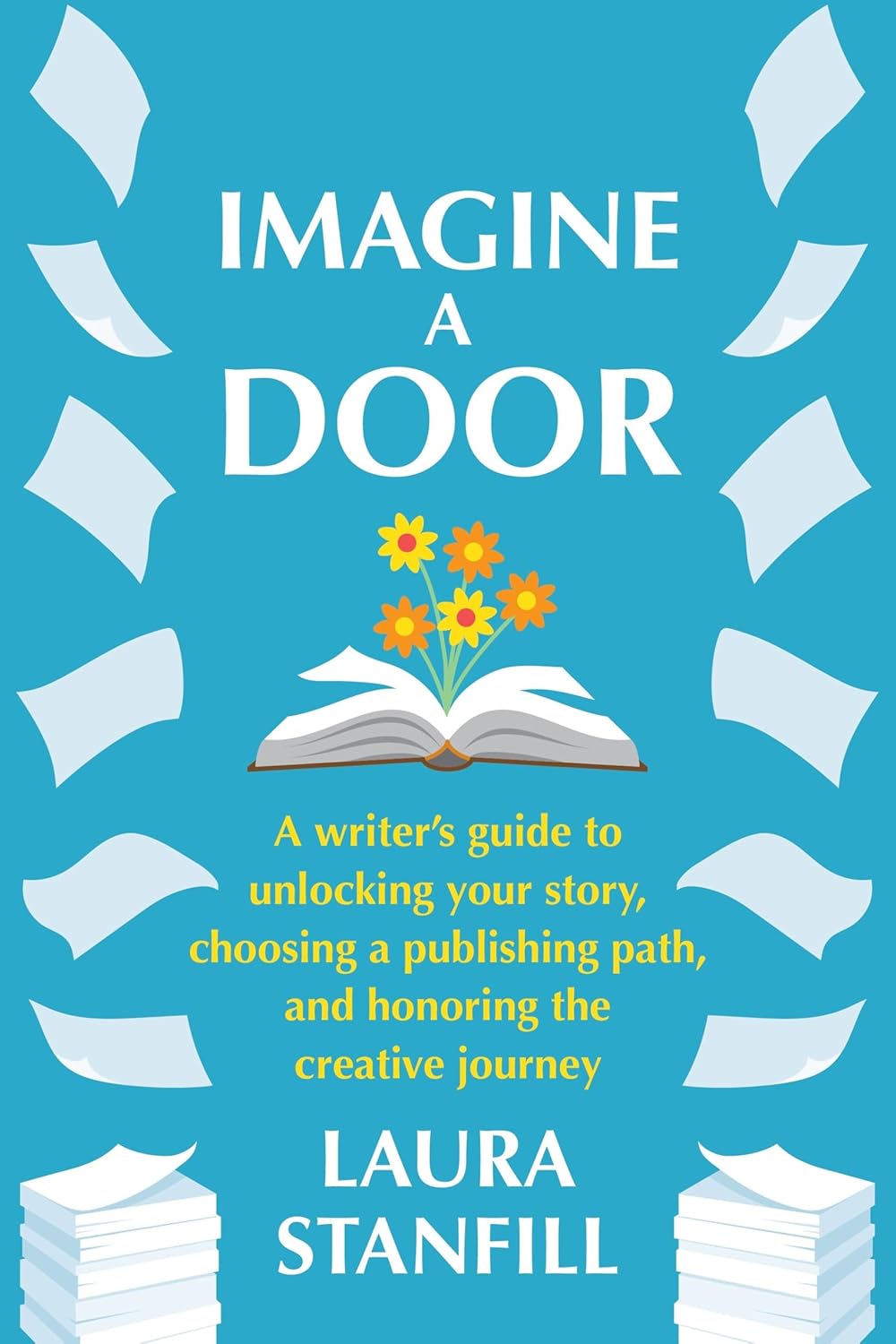
Laura Stanfill is an author, editor, and the publisher of Forest Avenue Press. Her book “A Writer’s Guide to Unlocking Your Story, Choosing a Publishing Path and Honoring Your Creative Journey” appeared to acclaim in 2025.
The following transcript has been edited for publication.
W4W: Jane, if I could ask you a question. I want to ask about a term that I hear all the time. I’ve been hearing it for years, and I’ve never quite understood exactly what it is. Hybrid publishing. Is that like some third choice that’s midway between traditional publishing and indie publishing? What the heck is it? Is it a viable thing to consider as a writer?
JF: It can be, but we have to be clear that, A, it’s not innovative, which sometimes hybrid publishers will portray themselves as innovative. And I don’t think it’s like some midway point between traditional and self. I don’t think that’s the proper characterization. It’s really a model that’s as old as time, going back hundreds of years, which is you’re going to pay someone to publish your book.
W4W: So is it a vanity press?
JF: That’s the term that often comes up in this conversation. And the term vanity press kind of has its own history. And hybrid publishing is, in a sense, a reinvention of that phenomenon, of that term. It’s trying to redefine it. I never liked the term vanity publishing myself, because there’s a time and a place to pay for your book to be published.
 Not everyone is suited to self-publishing. Not every book is suited to self-publishing. And there can be very valid reasons that you’re going to pay a company or a service or whomever to get your book onto the market.
I do think, in the last 15 years, there has been a lot more sophistication brought to it, a lot of different models. This is what makes it so hard to discuss hybrid publishing, because none of these companies operates in exactly the same way.
Even though there have been attempts to put criteria around it—there’s an organization called IBPA that has attempted to create some criteria—good luck applying the criteria yourself, because a lot of the answers you’re not going to get. Like one of the criteria is, are they selective in who they take on? Well, they’re not publishing that information.
And, in fact, when writers come to me asking about which hybrid publisher should I go with, if I’m going to use a hybrid, they will often say, how do I know if they’re selective? I’m like, your guess is as good as mine. But I would say the number one filter for any hybrid publisher is, can the author afford to pay what we’re going to charge?
And most hybrids, if they’re so-called quality hybrids, meaning they have traditional bookstore distribution, meaning they’re going to support you in meaningful ways, you’re going to pay for every way that they support you, and that’s going to cost you probably north of $20,000. And that, obviously, excludes most people. So you’ll find that most of the folks who are using hybrid publishers are executives, business leaders, certain types of influencers or celebrities, and people later in life who have lots of money.
W4W: When you say that, it makes me think that there must be a link between hybrid publishing, at least at that end of the scale, and ghostwriting.
JF: Oh, yes. Absolutely. Sometimes part of what the hybrids are offering is they’re matching you with the talent you need to get that book written in the first place.
W4W: That’s very illuminating. Because a lot of times, my students will come to me with ideas about hybrid publishing as being a viable alternative for them, but it doesn’t sound to me like, for most students, it is going to be.
JF: I mean, there’s a really good report, I’ll put a link in the chat, called Author ROI that looked at a mix of authors using traditional publishing, self-publishing, and hybrid publishing, and looking at the return on investment, thus Author ROI. But it was looking at a very specific segment. It was looking at business people.
So, these are all nonfiction books in the business category or business-like categories. And those people tend to have better experiences. If you’re in the fiction market or if you’re in the memoir market, I think it’s a real gamble. You’re probably not going to make your money back.
Often with hybrid presses, too, there are additional costs later. There might be a buy-in cost, but then you also have to pay for your print run, and then if those books sell into stores, if there’s a distribution to allow them to go into bookstores, then you might have to pay for another print run because they worry because there are no books left in the warehouse then.
It can be a meaningful, viable option for a lot of people. There’s also the option of working with a company that would help you self-publish, where you would have the quality and the clarity of what the market requires from the people you’re working with, but you’re also getting to make decisions on your own terms.
It’s complicated, too, because not all hybrid presses call themselves hybrid. There’s a lot of discussion about that term, and certain people who have broken the model and do things their own way are charging authors but do not like to use the language of hybrid. So you really have to be discerning when you’re looking at submission fees. And my way of looking at it is, if there’s any money that is flowing from the author to the publisher, that’s hybrid.
W4W: It seems like the takeaway here is to do your research and do it diligently. Don’t simply Google, what’s my next step to getting published and going with the third result that says—
JF: Yeah. Terrible idea. Do not Google anything related to agents or publishing, because it’s all scams, except my site. And Laura’s site.
W4W: I’m glad you mentioned scams, because that’s something that I wanted to bring up as well. Scams have always been a problem, but it really feels like they’re busting out in a way that they haven’t before. I mean, every day, in my email inbox, I’m getting some ridiculous email that’s going to put my books into some book club somewhere, or it’s an email from a famous writer who happens to have noticed one of my books and was really impressed and now wants to hook me up with another publisher or an editor or whatever.
And, of course, these are all fueled by AI. What is an aspiring writer to do in this landscape where they’re just inundated and overwhelmed with scams? How can they know what’s genuine and what’s not?
JF: Well, the simple rule is, if anyone is proactively emailing, texting, or calling you, and there’s not a good reason for it, like, you were just on Oprah, something like that, it’s a scam. Just assume it’s a scam, and that will protect you. And if you think there might be some reason for someone to be instigating contact, like you published a big piece, or you had a placement in a journal, there can be some valid reasons for people to proactively reach out.
But yeah, the overwhelming number of people reaching out to you, they’re not going to have your best interests at heart. And let me say, even if you do have an agent or an editor reaching out to you, when that happens because of something you did, like something you wrote and published, or you’re in the media, you’re probably going to have multiple people reaching out to you for that reason, and then you get to choose, I hope, who you get to work with, and if it’s the right time to work with someone.
But especially on the marketing, promotion, and publicity side, you should never, ever deal with someone who has approached you. You should do your own research and use your own trusted resource list. Like, there are going to be figures that you trust.
Hopefully your professors are sharing with you resources they trust. Or you can look at my resource list or who Laura recommends. So go through someone who has your best interests at heart and is trying to protect you. And maybe, Laura, do you have some other tips for avoiding this stuff?
LS: Well, it’s especially hard right now for first-time authors whose books have come out, because the scammers have been using AI to say the most magnificent, illuminating, delightful things about everyone’s books. And the first time I had a friend come to me to ask if this was a scam was not all that long ago. Maybe it was six months ago, and it’s really ramped up since.
 And she heard from a Seattle book club, and they were in Oregon, so it made sense. And they needed her to join Meetup so she could connect with the members. And she got three or four emails in, and then it was like, oh, we just ask that you buy us some snacks for $300. So at that point, she figured out it was a scam and went on social media and shared. But since then, I’ve just—I get bombarded all the time.
For those first-time authors, one thing I recommend is Google your book before you take what the email says seriously. So, for instance, we have this book called Nice Places, by Vincent Chu, coming out in June. And a couple months ago, I got a flood of emails about it, and I was like, well, this could be spam, but it looks like something is going on.
So I Googled the title, and The Sunday Times of London picked it up as a top read for 2026 in one of their preview book sections, and I could not have predicted that. And then, all of a sudden, sure enough, the people who were requesting information about rights, those were legit people, including a publisher in the UK who was looking at if we had foreign rights available. That made sense to me.
But if you’re just minding your own business, your book is out in the world, and you get a scam email, I think what Jane said is great, you go to people and ask them to support your book, or you ask them if they will consider an interview with you or whatever. People who are actually doing this work do not have time to sit and bombard every single small-press author that they can find with illuminating descriptions of their own books.
What hurts, though, is remember we were talking about it being such a hard thing, you get your first book out, you’re desperate as a writer to be seen, to have readers come back and tell you how the sibling relationship is just like the one that they had, or whatever, and AI scammers write exactly what you want to hear about your book based on metadata and keywords that you or your publisher have put into the system. They’re just grabbing those and crafting what looks a meaningful fan letter, but it’s really because they want money.
W4W: I teach a teaching-assistant course where students support first-year composition students, and one of the ideas is that they’re supposed to find resources online and share those resources with struggling writers on specific aspects of writing an analytical essay or a persuasive essay.
But what I will often find is that the websites that students are sharing are websites designed to pull you in with a free content article. Like if we’re applying it to creative writing, it might be how to write a query letter that’s going to really pop on the page.
But as you’re scrolling through the website, you quickly realize that what they’re actually trying to do is to have you give them money so that you can get the premium behind-the-scenes access stuff that you may not necessarily see otherwise. What is the difference between that kind of stuff and these outright scams? Any advice on that, or, I mean, should people just outright be avoiding these sites?
LS: I’d say avoid, honestly. I have dabbled with spending marketing and advertising money on specific programs through reputable companies. And I’m willing to try something once.
Publishers Weekly does a giveaway program that you pay some money, and they collect email addresses, and you can have like a hundred winners who all get your book. And so you’re paying for the access to book professionals, things like that. There are a lot of those types of options. But when I see a website that is built up around marketing your book for money, I’m very hesitant.
JF: I’ll just add that marketing and promoting books is really, really, really challenging no matter who you are. And anyone promising to help you in the way that you’ve described is probably not going to make a huge difference. I mean, everyone wants to offload this burden. Even the publishers want to offload this burden. It feels like no one wants to deal with the hard work of figuring out how to market and promote a book.
 There is no cookie-cutter formula. There isn’t anything that’s tried and true that’s going to work every time. This is why it’s so frustrating for everyone involved.
I can say that, for self-publishing authors and publishers alike, the one thing that tends to work, generally speaking, if you’ve got a solid book with reviews, is you do some advertising on Amazon, or you do some advertising on Facebook, or you do a BookBub promotion. Those three things are proven to work. But some of the other stuff that you’re mentioning, it’s just—there are other things I would put my time and energy and money into first.
W4W: We’ve talked about AI, and, obviously, AI and its use for writing fiction and delivering a story is very much still frowned upon in the industry. And it’s not only frowned upon, it’s just very easy to identify when something is being written by AI. Is it using a lot of emojis, a lot of bold fonts, and a lot of bullet points? Probably AI, right?
But I have had a lot of students ask, like, what about cases where I have no idea how to build a website but I know that I’m supposed to have an author’s platform? Or I’m not great at the technical side of things like writing a cover letter or a query letter or those types of things.
For those types of aspects, is AI an effective tool that people may want to consider, or would you say it’s still just something that, put it aside, don’t use it right now, learn how to do the website design yourself, learn how to promote yourself. Don’t rely on this large language model to do it for you. What are your thoughts on that?
JF: I think part of this is a personal decision, and I tend to have a very liberal view on it. If you can find ways to save your time, create efficiencies so that you can spend more of your time doing what you actually enjoy, which is probably the writing, then I would totally use AI to get rid of some of the tasks that you would rather not do.
Now, I don’t think AI can actually do a good job on marketing and promoting, unfortunately. I wish that were the case. But speaking for myself, it has saved me countless hours of making improvements to my website and the administrative costs of doing things related to all the tech that runs my business and with accounting. And, I mean, I could go on and on. I use it every day, sometimes multiple times per hour.
And some of it’s also trying to just help people in the moment. I run a lot of online classes–where I’m hosting an instructor and not the one teaching—and someone will say, oh, 30 minutes ago she said something, what was that she said about the three principles? What are they again? It’s like, I’ve already forgotten.
But you know what I can do? I can use the AI assistant in the meeting to tell me what those three principles were and tell the student. So there’s a lot of things like that that I use it for, but at this point it’s not sophisticated enough to take away any editing responsibilities for sure, as Laura said, and it’s not going to market and promote for you, although you can use it as a brainstorming tool.
Again, it’s a very personal thing. It depends on the work that you have to do and also how much experience you have using the tools. So I’ve been using them for a couple years now, and I can get what I want out of it. But if you’re really brand new to it, it might take some time before you understand how to get what you want out of it without it screwing up really badly, or it just giving you something that makes you look like you used AI.
W4W: One of the reasons that I assume you’re able to get what you want out of it is because you’re bringing to the table all your career experience in publishing. And if you’re just an aspiring writer who wants to take a shortcut, you don’t have Jane’s experience. You don’t have any of that grounding to know, to judge or evaluate, what it is that you’re getting out of this tool.
JF: Yeah. That’s exactly right. So I would say, 30% to 40% of the time, it’s giving me stuff that I know from my experience, this is crap, and that this is not what I wanted. But you’re right–others are not going to have that perspective and experience.
W4W: But the people that you’re using it, if you’re using AI to write a query letter to an agent, for example, you yourself may not have the experience to judge that the query letter is crap, but the agent to whom you’re sending it is going to have that experience.
JF: Right.
LS: I have a very strong personal choice not to use AI, and part of that is because artists and writers deserve to get paid, and also, I’m not dealing with the volume of work that Jane is. I have two or three authors any one year. Three authors in a year is a big deal for me. They text me. They give me phone calls over Zoom. So it’s really personal. And so I don’t want and I don’t need to use AI to deal with large chunks of information. And I also feel like, as an acquiring editor, if I saw a query letter that is written by AI, or more recently, I’ve seen manuscripts come in with an AI-generated cover, don’t do that.
 I tell people, don’t share all these Amazon links if you want to come work with me, because I don’t promote our books on Amazon. If somebody wants to find one of our books on Amazon, they can. It’s out there. They know how to use the platform. I’m going to share bookshop.org links and Powell’s links and the local bookstore for the author.
So for the same reason, if I get a query that looks like it could be AI, or if I get a manuscript and I open it up and I see an AI-generated version of the cover, I think, oh, this person’s going to be hard to work with, and also, our values do not align.
The one future—as much as I dislike AI and never use it—the one thing that I want to keep an eye on as a publisher is how AI is used to synthesize best practices for metadata and keywords. There are programs that can tell you what people are searching for online. What they want to buy. What kind of books they’re looking for. And you can change your keywords daily if you want to adjust for what people are searching for. That could turn into a whole spiral where you never leave your computer.
But I think there’s information there that, at some point, small presses like mine will have to figure out how to tap into. Because if the big houses are all doing that, they already have market share, I’m not completely willing to cede that floor entirely to them at this time, but I’m also not willing to use AI yet, so . . .
W4W: I know there are a lot of people here who are just starting out, so let me get back to two of the basics here. One is, if a writer doesn’t already have a platform, say, they’re mostly just focusing on the writing aspect of it and perfecting that craft, how can they start positioning themselves in a smart and thoughtful way in today’s market? Do you have any advice for those who that might not be their forte, they’re focusing on the writing itself more than the platform? Any tips on that?
LS: Because I think Jane will have great answers about the online community. I’m going to start off by saying, go to your local bookstores. Meet people who are doing the work of being writers in the world and publishers in the world and literary journal editors in the world in your local community. We so often are trying to supersize what we’re doing, and for many of us, especially in the literary fiction world, that is not a great use of our time or energy.
But if you can show up at a local bookstore and hear someone read and say, that was great, and buy their book or read their book, you start building community. Maybe you find a writing group. Maybe someone in the writing group knows someone else, and you go to that person’s reading. Building in-person community around existing pro-literary institutions, such as bookstores and libraries, to me, is essential.
That’s something that feeds your writer brain, but it also makes you feel good. It makes you feel like you’re part of something. And I think when we are focused on platform as online, it gets overwhelming and distracting, and suddenly we’re just looking at cat videos and feeling like we should be writing, and then the shame piece comes in, and then you don’t finish your draft. So, Jane.
JF: I think platform is one of the most tortured topics, because everyone has a slightly different idea or definition of what exactly it is. For me, it’s just how you’re visible in the world, particularly to your readership. And the number one thing that makes you visible is writing, like, actually writing and publishing things.
It doesn’t really matter to me where you’re publishing or how you’re publishing, but the fact that you’re writing and publishing is the number one thing that builds your platform, full stop. So I hope that provides some reassurance for folks, that you can focus on writing, being a prolific writer, and that will build your platform, albeit more slowly if you don’t do anything else at all, in addition to the writing.
I think the second thing that often gets forgotten about platform is that so much of it is behind the scenes. When you see a successful author out in the wild, you can measure and talk about their social media following, and it might look very impressive, or how many newsletter subscribers they have, or whatever, but I’m willing to bet there’s some really critical relationships operating in the background that contribute to their visibility.
And sometimes you can figure what those relationships are. You can figure them out by looking at their acknowledgments, by looking at how they move about in the online world, like, who they’re interacting with on social media.
Actually, I think the act of platform-building online is one of the best things you can do. Simply engage with those authors that you aspire to be on a book-festival panel with, or you want to be in conversation with them at your book launch. These are the people with whom you share an audience.
So that’s the initial step. I often call it literary citizenship, platform-building lite. It’s just building relationships with people in the community. Like Laura said, it’s best if you start locally and regionally, and then go out from there. But if you aren’t already active in the SNHU community, I would encourage that.
Since you’re from all over the country, I would also advocate looking at what’s happening in your town, in your city, in your region, in your county, and getting involved. Because often, it’s those relationships close to you that help you get the ball rolling. And if you’re in a really remote area, that’s fine. That’s the beauty of being in online spaces if that’s your situation. So there’s just countless groups online where you’re not subject to the toxicity of social media, where you can still feel like you’re part of a group.
Inked Voices is one example. There are other private moderated groups. If you look on Substack, there are authors who have book clubs and communities on specific interest areas. Join them.
Think about the things that are going to help you over your career. It’s not about the numbers, I swear, even though agents and publishers make it sound that way. If they see that you can get people supporting you, if they see evidence of that support, that’s what you need to have a successful book.
LS: And that’s back to showing up in the world as a real person. There was some chat in the comments about so many people with inflated follower counts. It’s because it’s bots. And what we want to see as editors and publishers and agents is that you have meaningful relationships, just like Jane said.
And another way to find those, if you are somewhere rural and you don’t know where to start building a safe online community for yourself, take a class. Literary Cleveland, Rebecca mentioned in the chat. There are lots of great places that have online classes.
See whose writing style in the class is like yours. Reach out and say, hey, do you want to meet in a critique group? It’s about being meaningful and intentional with other people instead of trying to be a writer entirely in that loud space where everybody is shouting about what they want to shout about.
W4W: Every place I’ve ever lived has a library somewhere within the vicinity. Libraries are a great place to start. Because surprisingly, the people who are usually in libraries are very much interested in books. Interested in talking about them, sharing them, having book clubs, writing groups. We have one at my local library. It’s not even a writer’s workshop in the traditional sense. You just go into a room where they have a fire going in the wintertime, and you write silently. But that alone is, at least, getting yourself out there and perhaps making those connections.
And, again, to Laura and Jane’s point, you don’t need to do TikTok dances to find your community. There are other options out there where it’s not the poisonous well of social media that you’re beating against as well.
Here’s a final takeaway question before we close out. If you’re a debut author, your first book is coming out, what should you be doing and when should you be doing it?
JF: I’m a big proponent of having a website serve as a contact hub and just a place to send people for the basic information about your book. It’s just so helpful in so many ways. People can get the cover, the description, and the buy links. They can see where you’re active on social. Reviewers and media can contact you through that. Book events, et cetera, it’s just a really nice waypoint. So even if it’s a simple website, it will serve the purpose. It doesn’t have to be fancy.
I really like Tertulia. If you’re not tech savvy, you don’t want to have to build your own, Tertulia is a really nice option. It’s pretty cost effective. And then you have to start doing an audit of the people that you know, the relationships that you have, the networks in the communities that you’re a part of.
If you can identify some of your comp titles, which maybe you’ve already been asked to do and look at, what did they do that looks like it’s going to work for me? I think you’re going to find far more activities than you could possibly participate in, especially if you look at your comps and what they’ve done, and then you can start to form a plan that makes sense given where you’re at, the time and energy you have, the money you have.
And then make sure—the relationships, again, just keep going back to that, because you start with who you know. It is not cheating to start with who you know, and you are not bothering people you know to ask them to spread the word about your book or to do this one thing to support your book when it releases.
LS: You can’t start too soon. Especially if you’re self-publishing and you have a plan for a season, back that up 6 months, 9 months, 12 months. Make sure you give yourself enough of a runway. Figure out review copies. It’s essential that your publisher, or if you’re self-publishing, that you get early copies, even if they’re just digital, out for consideration for reviews, for visits to the library, to the bookstores.
I can’t tell you how often I see small-press authors getting closer to the publication date, and they’ve never seen an advance reader copy of their book. They’ve never seen a copy that they could then share with the local radio station host of a book talk who would have loved to have them on the show, but now three months go by because there was not an early copy.
Start your newsletter soon, even if you don’t know what it’s really going to be about yet. Start collecting addresses at the very first book event you have. Have a clipboard. Do old-fashioned.
I mean, I guess you could pass around an iPad, too, but I’m back to thinking about old-fashioned and physical objects as being really important in this age of AI. If you pass around a clipboard, people will sign up for your newsletter. That will start building an audience that is proprietary to you and is not owned by a platform beyond you. So that’s really important.
Think about what you love to do in terms of promotions. Do you like to talk to people or do you listen to a lot of podcasts? Go look at Podmatch or another site that helps you find podcasts and pitch them. If you like to write essays, think about companion essays for your book. If you live in a community that still has local journalism, hooray, definitely contact your local paper. Try to go on the local morning show if there’s a TV station in your neighborhood.
And then I’ll add my last piece, because I could go on for two hours on this. The last thing I’d say is, if you can, if you can afford it, or if you have a friend who is willing to do it, get a professional headshot. In some ways, it’s silly next to all these other things, but on the other hand, part of the journey of going from having a manuscript to having a finished book in the world is how you see yourself.
I have had transformative experiences with a photographer. Even though I prefer to be taking pictures, if you stand in front of a photographer, choose your outfit, and feel comfortable being yourself as a writer, and you have a picture of yourself being a writer, that is worth so much, especially when the criticism gets loud or you don’t get any reviews, or someone didn’t come to your book launch that you thought would be there.
Seeing yourself in the world as a writer feels like a really special rite of passage. And as you’re taking that ramp toward publication, I think it’s great, not just for the back of the book, but for social media and for people to take you seriously as a writer and as a guest, that you can be invited to panels. Look, you have a professional headshot. OK. Maybe this person will want to speak at our conference.
W4W: That’s a great idea. So everyone go out, find a photographer friend, and make sure you get a killer headshot!
Category: