A highlight of each year’s Word for Word literary series is the publishing panel, in which we leading voices in the publishing industry come to speak about the latest trends and information that writers need to know. This year the panel took place on Wednesday, March 18, and featured two publishing pros: Jane Friedman and Laura Stanfill.
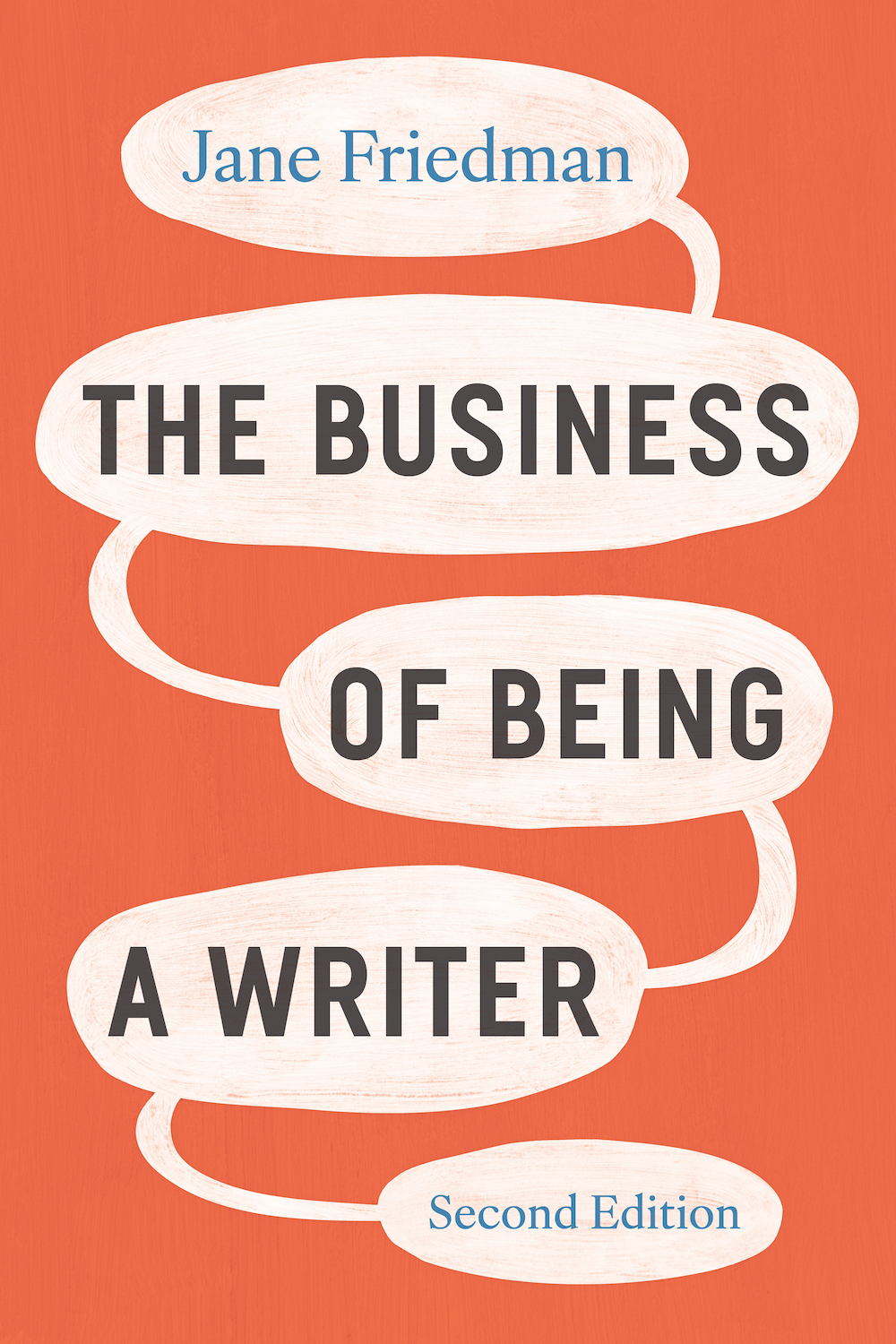
Jane Friedman needs no introduction to aspiring writers. Her book “The Business of Becoming a Writer” is used as a class text in the Online MFA and in many other degree programs. Her long-running newsletter “The Bottom Line” provides nuanced market intelligence to thousands of authors and industry professionals. In 2023, she was named Publishing Commentator of the Year by Digital Book World.
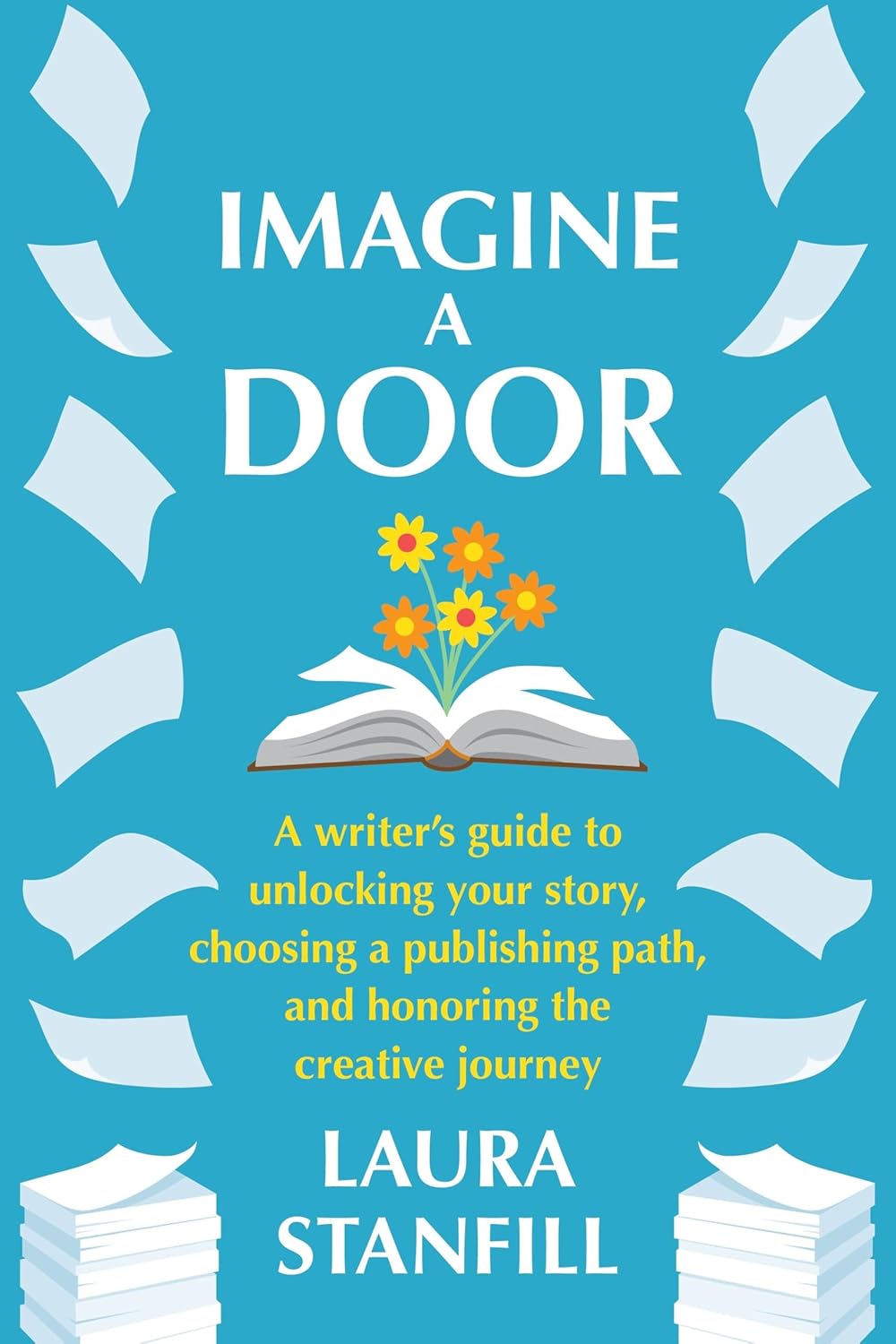
Laura Stanfill is an author, editor, and the publisher of Forest Avenue Press. Her book “A Writer’s Guide to Unlocking Your Story, Choosing a Publishing Path and Honoring Your Creative Journey” appeared to acclaim in 2025.
The following transcript has been edited for publication. Because of its length, we have split the transcript into two posts. Check back soon for Part II.
W4W: It’s just great to have the two of you here. I want to start off just by asking if you could share your personal publishing journeys. How did you get to where you are today? Jane, I’d like to start with you, because I’m interested in how you have carved out a position outside the usual publishing roles. You could have become an agent, you could have become an editor for a traditional publisher or press, but you kind of blazed your own trail. It’s almost as if you decided, hey, there’s an open space over here, and nobody has claimed it yet, so I’m going to go for it.
JF: I guess inspiring stories, I think they’re often due to lack of choices. That’s what people don’t know. I mean, the short answer to why I’m independent like this is that I was going to get fired from my job, and so I went freelance. This was in 2014.
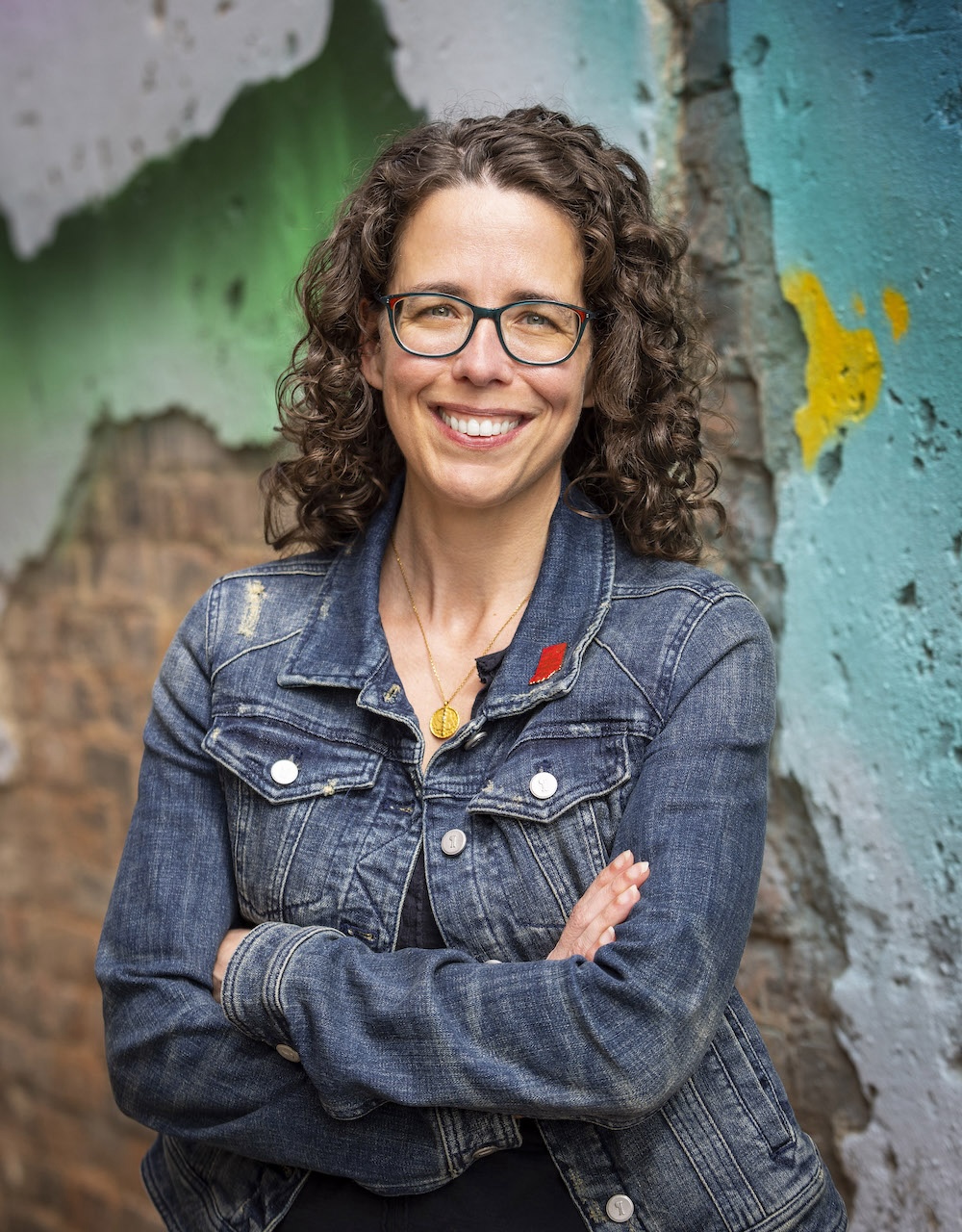 At the time, I was working for the Virginia Quarterly Review, and it was not working out. So I thought, I can’t get another full-time job right away. I’ll just do some things on my own until something opens up. But things went so well that I never had to take another full-time job. But the truth is that I started off very traditionally. The creative writing major, I went on to get a graduate degree in English, and I got an internship at a publishing company in Cincinnati, not far from where I grew up in Southern Indiana. From that internship, I got a full-time position, and I stayed put for about a decade. Just a lot of consistency and discipline in the same position over many years.
And this was in my 20s. And a lot of other people were moving around, trying a lot of different other things, but I just stayed put. Which has been a theme, I would say, in my career. I’m very focused, and I stick with something for long periods of time. So when I went full-time freelance in 2014, a lot of the work that I was doing, I was just continuing what I had focused on before, except now I was doing it independently.
So this is probably a message that’s going to come through, maybe from both me and Laura, like, consistency, focus. There’s so much about having a successful writing or a publishing career that’s just about showing up consistently. So I think that’s my superpower.
W4W: It’s kind of interesting because, I mean, especially the way the publishing industry is right now, it’s hard to be consistent in terms of staying in one place. Like you were mentioning, a lot of your friends were moving around. You stayed in one place until you didn’t. And then embarked on a freelance career. But ironically, that freelance career has provided you with the consistency that you wouldn’t have been able necessarily to find in the publishing industry itself.
JF: Yeah. That’s true. I think Laura should tell us her origin story.
LS: Well, I’ve been a writer my whole life, since elementary school. And when I was 16, I decided I wanted to start a poetry journal. And back in the day, I wrote letters to poetry editors to find out, how do you get started? And they told me the same things that are true today. Namely, you need money, and you need distribution, and you need to do it for the love of publishing. So in 2012, I thought—I was just deciding to start a press, and I did, but at some point I realized that I had all these letters that 16-year-old me had written looking for mentors because I had wanted to be in publishing back then.
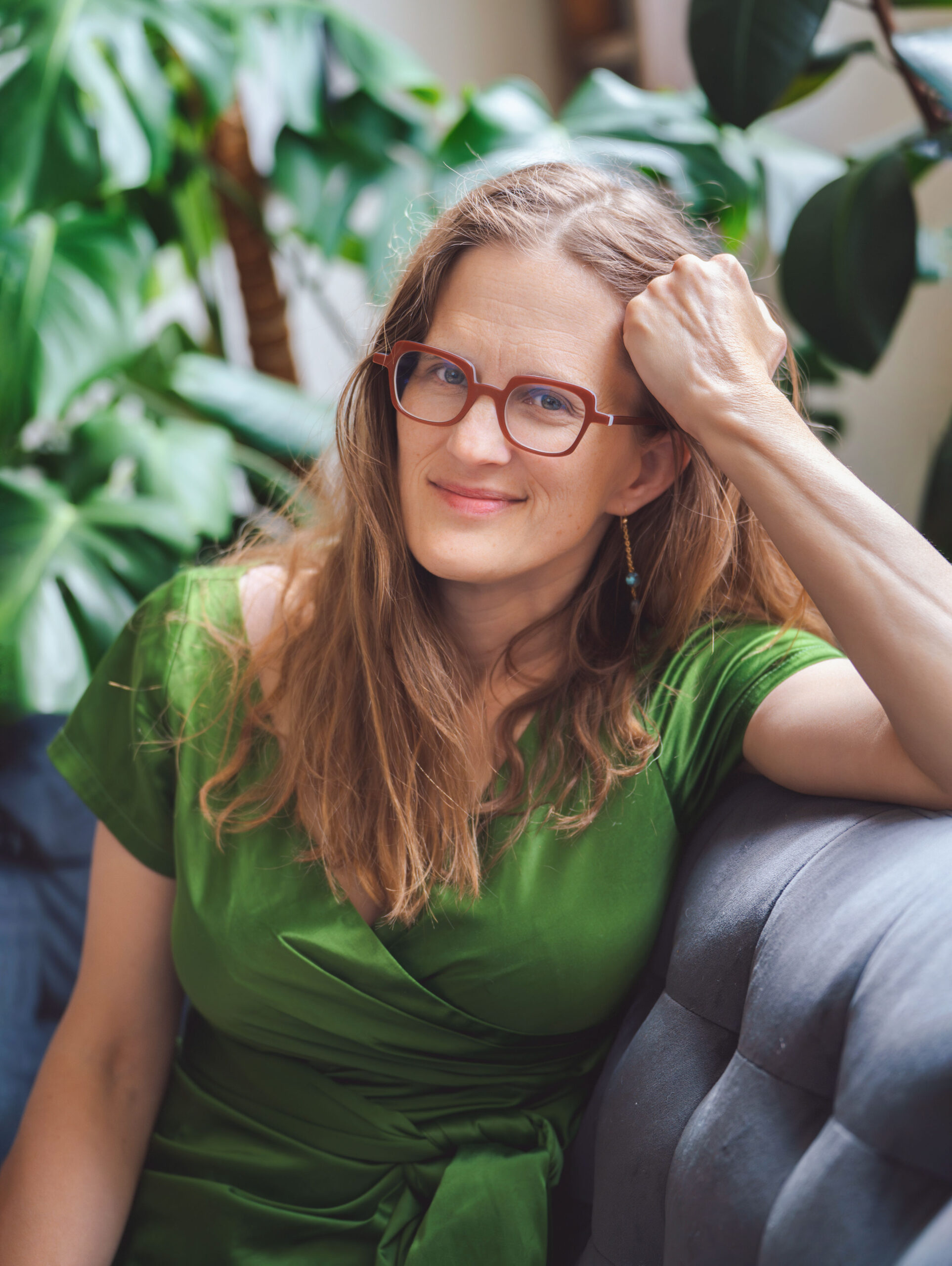 I started Forest Avenue Press because I was struggling with rejection. I was struggling with getting traction on my career as a writer. And I knew so many writers in Oregon who were really focused on doing good work, and they were not finding homes for it in New York. And I thought, oh, there are other small presses here in the Pacific Northwest, and maybe I could be one of them, too. So I hung out a shingle, and two years later, I got national distribution with Publishers Group West. And I do about two or three titles a year and have been doing it ever since.
W4W: That is awesome. You were kind of a poetry nerd back when—
LS: I was, yeah. I mean, you can see it in my writing as a fiction writer. But yeah, that was my first love.
W4W: How does poetry influence your fiction writing, just out of curiosity?
LS: The way I use language is really particular, and I tend to be playful in my approach. And if you read my fiction, it sounds like me, I guess. And all these years I’ve been wanting to achieve that. And for about the first 20 or so years of my adulthood, maybe 25 years, I was trying to use that Laura voice to tell stories that I thought New York would like.
And it turns out it didn’t work because I didn’t really want to write about those subjects. I didn’t really know those subjects. I’m a little bit funny, it turns out, and so writing serious literary work with my somewhat whimsical voice wasn’t a fit for agents. It took me until 2022, in fact, to get my debut novel in print, and that was with a small press.
W4W: I think a lot of times writers have a bit of a struggle in learning to accept the writer that they are instead of the writer they think they should be, or the one they want to be.
LS: That’s for sure. I’ve seen that over and over again with myself and with writer friends where—it’s like trying to study to the test and expecting what the test is going to be, except nobody knows what’s on the test, because it’s publishing.
W4W: For you both, the publishing industry has changed significantly throughout your careers, especially in regard to opportunities available to writers. The advent of eBooks and self-publishing has been huge. Are there other changes that many of the writers in our audience will not be aware of? Do you suggest, for those who may be starting out that don’t want to take the traditional pathway, to explore Amazon or other areas to publish their works? How is it looking in 2026? And we can start with you, Jane.
JF: I think so much of this depends on the genre or category that you might be focused on. So, if you’re writing romance, romantasy, science fiction, or fantasy, I would say self-publishing is one of the more likely paths you’re going to go down. And, in fact, if you look at where some of the most exciting deal activity is happening among the big publishers and smaller publishers alike, the ones who focus on commercial fiction, they’re looking for self-publishing success stories and then signing those authors.
 Sometimes just for the print rights, meaning the author retains the eBook and the audio. Sometimes all of the rights. The publishers are picking up their entire backlist. There’s a lot of focus on bringing series from self-publishing into traditional print distribution. So that activity has exploded over the last few years. Self-publishing is a really important part of that commercial fiction ecosystem. And Amazon is selling the bulk of that in eBook form and also through Kindle Unlimited.
But if you step away from those really commercial categories and you start looking at literary fiction or poetry, or if you look at memoir or upmarket book club types of fiction, I don’t know that I can say, oh yeah, go ahead and self-publish and you’ll find your readership, because it’s a very different challenge. Those books don’t always have the sort of readership where you can draw a neat outline or a line around them.
And so I find that, especially unknown authors, people who don’t have any experience yet in the industry, it can be really tough going. I’m not going to discourage it, because I think there are too many variables and there’s no one right path, but it’s certainly on the literary end of the spectrum, and I bet Laura could speak to this. There are probably certain places or people or venues that you want to be taken seriously by, and self-publishing can be tough if you’re looking for a certain type of acceptance in the literary community.
LS: I will jump in and add that if your dream as an author is to get a bookstore reading, if you go through Amazon to self-publish, you will not likely get a bookstore reading because independents are really focused on community and celebrating writers in their communities. But if you go to Amazon, which is actively trying to put independent bookstores out of business, they will not look kindly on your book, and they will likely not buy copies or even consign with you.
I’ve recently seen Bold Coffee & Books here in Portland, Oregon, has a consignment sheet that says, did you publish through Amazon? If so, you have to be transparent and tell us, because we don’t want your book in our store. She says it much nicer than I.
But I think if you want to build community around independent bookstores and bringing people together around books in physical spaces in your community, there are ways to self-publish through other avenues than Amazon, and I would highly encourage looking at that.
W4W: I guess it’s going to vary by person and where you are located. In this country, you might be in an area where there aren’t small independent bookstores or a community as such, so a larger venue might be something that you might want to explore, but it does seem like you got to weigh the pros and cons in whatever choice you make.
There are quite a few questions in the chat about the editing side of the industry. How does one get their foot into an entry-level editorial position, or is it in vain to do this now just because of the advent and rise of artificial intelligence and large language models? What advice would you have for people who may not be looking toward publishing so much but being an editor or helping others with their work? Laura, do you want to go first this time?
LS: Absolutely. I think this is a great question. I found my way into being a publisher through editing. I like to do developmental editing. The big-picture-arc copyediting, I can make it, but it’s not my forte. Especially with the advent of AI, I think it’s even more essential to have a really good editor, especially with developmental editors.
 You can’t expect a computer to understand the nuances of a story arc. And even if they could, that’s not what we want to do. That’s not the kind of book we want to read. I am always charmed and delighted by books that surprise me. And so when you bring in AI as a mechanism, even if it’s not generative and it’s for editing, you maybe can lose some of that surprise.
I think one of the ways I’ve encouraged editors to get into the business is try freelancing. You can start off by helping friends or working with writers in your community. It’s important to try different genres and know what you like in building your portfolio.
You’ll be more successful if you can articulate the kind of work you want to do. I have a friend whose focus is editing short stories and essays, and she might stretch that to be an essay collection or something at some point, if the right project comes along. But because she’s so clear, I know who to send to her as a consultant.
JF: I’d like to highlight two points in particular that Laura made. Please listen to her. One is the focus piece. Because I find that people, especially when they’re just starting out, that they might cast too wide of a net. Usually it’s fear driven, or maybe you just don’t know what you like yet.
But the more you try to be a generalist, I think the more it works against you advancing as an editor in today’s market. It’s harder to build word of mouth around what you’re really great at. So I would advocate, as soon as you can, figure out what your position is. That this is the work you do, or these are the types of authors that you want to work with.
And then the other thing: volunteering in any way, shape, or form, whether that means volunteering to read for friends or literary journals or people in your community, anything that gives you experience, I cut my teeth on literary journal editing when I was in college, as well as the newspaper.
And when you’re exposed to large volumes of material like that, it really helps you grow as a writer too, because you start to see the patterns of mistake, the issues that stories and articles have. And, of course, getting that exposure is what turns you into a better editor over time.
LS: I see that when we’re open for submissions. Liz Prato, our editor-at-large, runs the submissions group. And slowly, authors who have come in to reading submissions because they want to learn, will slowly trickle away and go back to their desktop computers or their laptops because they have seen so many openings that have landscape and no characters. And they’re like, oh, I know what’s wrong with my book now. I need to go fix that. So thankfully, Liz stays with us the whole time. But everyone else, especially the writers, they just get inspired by seeing in volume, just like you said, Jane.
W4W: What are the routes by which an aspiring editor can gain the experience necessary to hang out their shingle as a freelance editor with a sense that they’re not ripping somebody off and they’re able to provide value for the money? I know that sometimes being in a writing workshop can help you develop editorial skills, but I think the hard part for a lot of people is just taking those first steps along that career path.
LS: I also encourage people to check out publishing programs. The Denver Publishing Institute. There’s one in New York. The Yale one, I believe, moved to New York City after I was in it. Ooligan Press here in Portland, Oregon, is a two-year master’s program affiliated with the two-year master program at Portland State.
And if you are trying to differentiate yourself as an editor, knowing about what happens after the manuscript leaves your hands can be beneficial, especially if you’re working with authors who are hoping to find an agent or find an editor, or sell their books. Having that experience in the industry can be one thing that differentiates you, even if it’s a couple-week class you take on, book publicity and marketing or something. Buff up your resume and look for those classes and then share that you have that experience as well.
W4W: Let me pull another question out of the chat. “As a neurodivergent writer, I’m curious about something Laura has touched on in Imagine a Door. The idea that standard advice about writing routines and platform building often doesn’t account for how our brains actually work. What’s one piece of conventional publishing wisdom you had to completely throw out once you acknowledged your neurodivergence?”
LS: Oh, I have so many, and I love this question so much. Well, I used to believe that real writers sat at their desks at the same time every day. And my brain never liked that, but I would do it anyway because I felt like that was how I was going to someday get published, sort of creating a contract with myself.
And then I had children, and they didn’t sleep, and one of them had colic. And no matter what, if I set my alarm for 4:00 AM or 5:00 AM to wake up and do the work, a child would wake up screaming and crying, and I would lose my ability to write. So that was before I knew I was neurodivergent. And looking back, there were signs. There were lots and lots of signs.
I wish I had given myself a little more grace, and I always encourage writers to write when you can make the time. Especially for those of us who are disabled or have physical stuff, have limited energy, limited bandwidth, write when you can.
And when you can’t, it’s OK. Love up on yourself. Be kind to yourself. Support your own mental health and physical health when you’re not writing. And that is so much more valid and so much better for you overall and for your creativity than if you’re trying to fit yourself into a box that somebody else created, because not all of us fit.
And then, in terms of platform, do what you love. You don’t have to do all the things, but maybe there’s something that feels better to you than some of the other things, and let the rest go. Down the road, somebody may tell you otherwise, and that’s fine. You can choose to leave that advice and ignore it as well.
But do what you can that feels OK to you. Because ultimately, this is a journey where you are taking work of your heart and soul, work of who you are in the world and how you want to share yourself on the page, and you’re trying to bring that out into the public. And any system or piece of advice that you stick to because someone else tells you it should work, that feels bad to you, is ultimately going to hinder you on that journey.
You need to shore yourself up. You need to do the work of writing. You need to revise. You need to build community. But also, you need to take care of you, because you are the smart, amazing human being doing the work of the writing, and nobody else can do it like you. I got excited. I’m so passionate about that, though.
W4W: That’s important to remember. The writing that you produce, that everybody here produces, nobody else can do it but you. It’s unique.
Stay tuned for Part II of the Word for Word Publishing Panel, Featuring Jane Friedman and Laura Stanfill!
Category: