by Alexis Hula
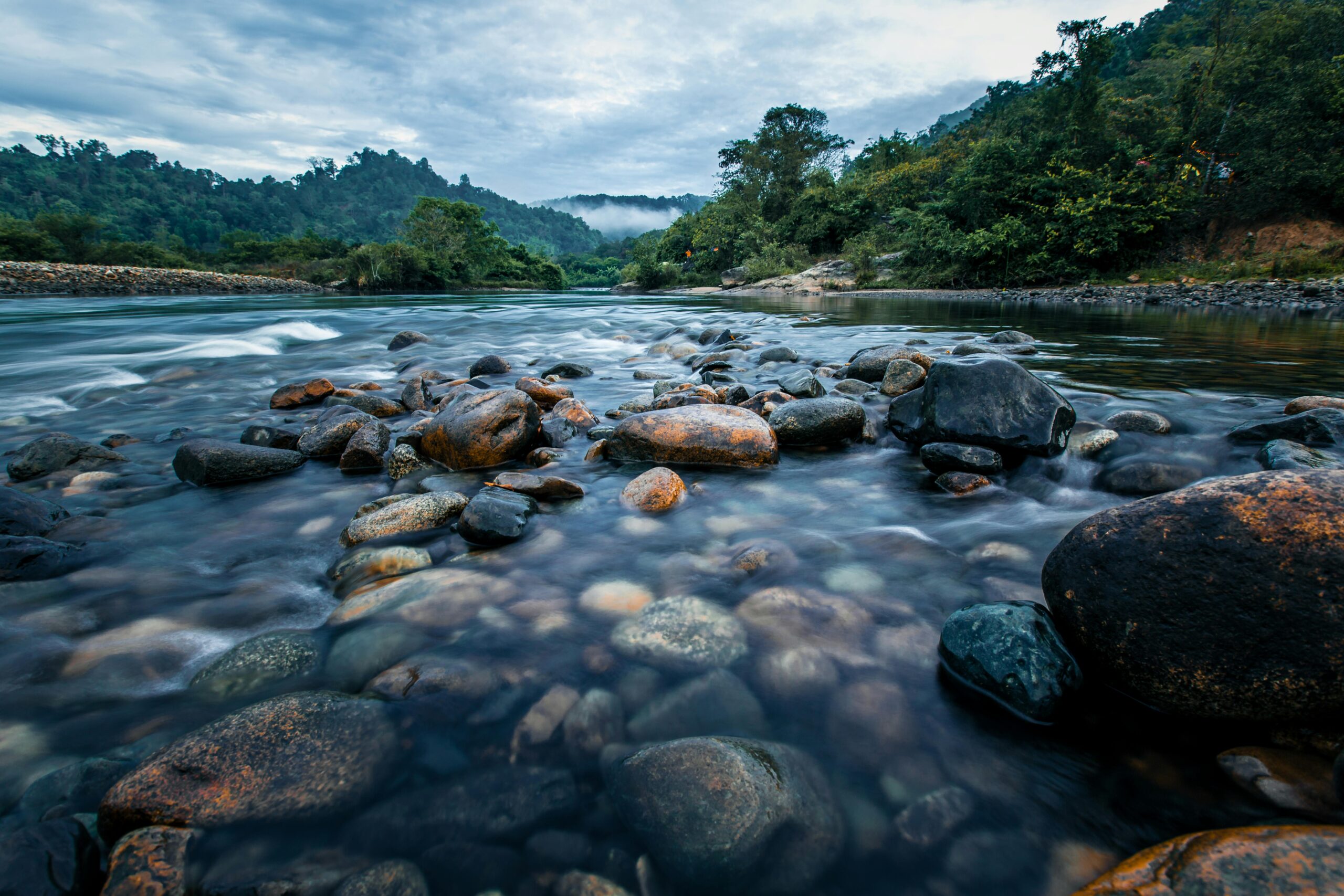
Mara learned the language of the river like others learn to read, gradually, by scraping the margins of sentences until the sense fused into her bones. The town had been constructed along the river’s shoulder, houses slouching like fatigued eavesdroppers, and each spring the river would reacquaint itself with rising. As a girl, she had waded in the shallows with her skirts hitched and her brother’s laugh braided into the stream; as a woman, she came back to that same bank with a suitcase of regrets and a chart of tiny, determined wishes. The river scorned maps. It maintained its own account, and when Mara pressed her palm to the cold stone, she sensed the count of years, of gentle, enduring, immense sleep beneath her flesh.
Folks around here talked about weight like it was just something you could set down. They gauged it in grain sacks, in the heft of a ledger, in the way a door resisted closing. Mara had learned another measure: the measure of water. It was not mass or pounds but memory made dense, the way one drop could contain the imprint of an entire afternoon. She bore that burden in the intimate, quiet gestures, an unsent note tucked into a coat, a dog-eared photo of a dog no longer there, the murmur of an unspeakable name. Upon her evening walk by the river, the light turned the water into a sheet of hammered silver, and she dreamt of the river pushing back, its own tales to tell.
One summer, when the town’s willow trees were still young, and the bridge had not yet learned to creak, Mara encountered Tomas on the riverbank. He was a cedar-smellin’ hand-carpenter with a boat-rockin’ laugh. They constructed a life like a tiny raft, secure ties, communal sustenance, and a little one who memorized his numbers through skipping stones. For a time, the water’s weight was a gift: it suspended them, afloat on the common wonders of bread and sleep and how sunlight collected on the kitchen table. But water remembers, and when the river took what it had been given, when a storm came with a hunger that astonished even the eldest fisherman, Mara discovered memory could become a load that refused to buoy.
That night, the river leapt, the town stank of wet wood and coppery rain. Tomas ran out to tie up the boats; Mara sat by the window with their child sprawled out asleep in a warm, blanket-scented room. The river’s call became louder, a booming thrum with which her heart pounded in time. When the water swept in through the door, it didn’t roar so much as fold itself into the house like a cautious hand folding furniture. The next morning, the village took inventory of losses: a fence, a rowboat, and a mail pile on the porch. They accounted for what they saw. Mara counted what she couldn’t. She understood at that point that weights are invisible until you try to pick them up.
Years went by, and the river held its ledger. Mara learned to go with the tide of small things: patching a roof, tutoring a neighbor’s child, hauling water in pails that left crescent moons on her palms. She wed grief to routine and discovered that routine could be a prayer of sorts. And sometimes she would stand at the bank and drift with the current, a fallen leaf, spinning and then lost, and she would imagine her own griefs doing the same. Other times, the river would spit back a scrap of something—an old toy, a ribbon—and she’d clutch it like a relic, feeling the mortar of what was lost and the scary buoyancy of what remained.
One morning, the sky iron-scented and the color of uncut pewter, Mara met a boy who had come to town with a satchel full of seeds and a question in his eyes. He inquired as to why she frequented the river at such intervals. She thought of the ledger and the way water keeps accounts, of the way memory can be both anchor and chain. She said to him, simply, that the river remembers for those who cannot, and that sometimes remembrance is the only way to keep what you love from being swallowed whole. The boy asked if she’d given him a map, and then he plopped down beside her and planted a seed in the soggy ground. They did not talk of times gone by; they planted, and in the quiet, sure defiance of sinking something hopeful, they both sensed the burden of water move.
By the time Mara was old enough that the other kids in town were teasing her with a “once upon a time” kind of name, she strolled down the riverbank with shaky hands but steady eyes. It was the river that had taught her to measure such loss and such love on the same scale. She’d learned that weight isn’t always a burden to be put down; sometimes it’s what keeps you grounded. On the final sunny afternoon of her life, she perched on that very rock where she’d watched her brother skip stones, and she allowed the light to wash across her face like a benediction. The river went on, relentless and true, taking along with it the little hard things lost and the easy things sent. Mara closed her eyes and enjoyed the water’s cool breath upon her skin, and for the first time, she understood that to be cradled is not to be encumbered.