by Kevin Snell
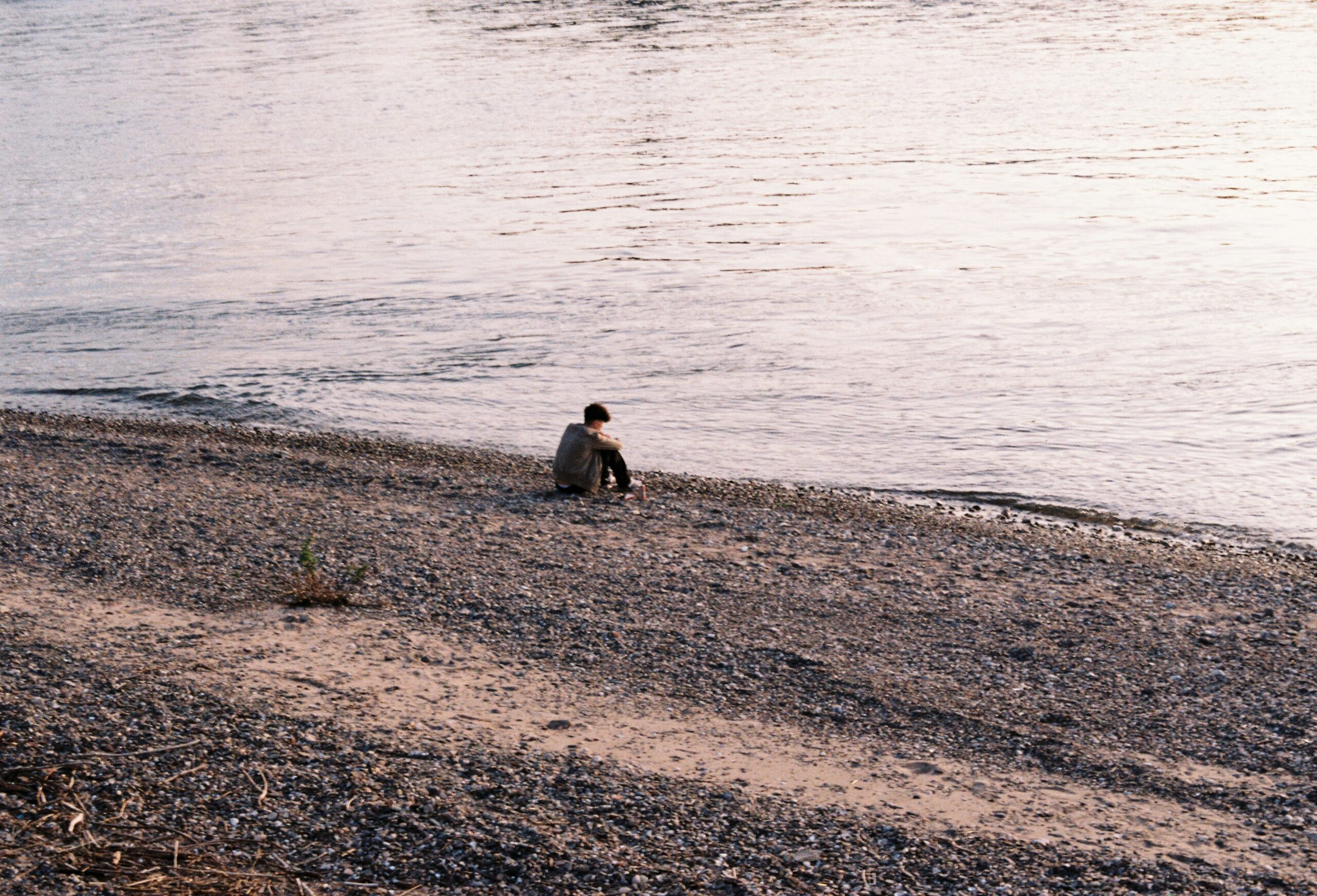
He was forty, although in the river he always seemed much older. He came at the hour before dusk, when the sky bled bruised brass and the water netted all that fading fire. He was Kevin, Sergeant Turner at the time—of the 82nd Airborne Division.
In town, folks didn’t ask much. They looked at the patch on his old jacket, the way he stood—back straight, eyes weary—and they let him be. There, he rented a room above that mechanic shop and spent his days fixing things that were broken. Engines, mostly. Machines made sense to him. People didn’t anymore.
He walked to the river at the end of the day. It was there that he knew peace—or maybe where he listened for it. The river didn’t ask questions. It didn’t remind him of radios or coordinates, or the faces that never disappeared from his dreams. It didn’t ask what it was like to be that man on the hill calling fire missions, the man who saw light erase everything below it—that man who whispered numbers and lived with what came after. It just roamed, patient and relentless—something he knew would continue to roam.
He once had someone like that. Derek—who, like him, was 82nd Airborne. Clean-shaven, clear-eyed, the kind of man who could inject sense into Army chaos. It was at Alias, a gay bar in Fayetteville, N.C., that they met, pretending only to be “normal” guys. It was cool, crowded, loud, and the air reeked of cigarette smoke and sweat.
Kevin had gotten there early but only because a buddy stopped by and convinced him that being alone in the barracks was more excruciating. Derek was out with friends from the legal team, nursing a beer and chuckling like a man who didn’t share the front-runner’s terror of being spotted. Kevin noticed him right away. That laugh cut through it all—so bright, so alive, and so defiant. They were looking at each other through the room and there was a beat of silence. Two soldiers who weren’t supposed to be looking and who now suddenly couldn’t look away.
Derek came over first. “You don’t look like you want to be here,” he said to Kevin.
Kevin grinned. “I’m Airborne. We hate anything on the ground.”
They chatted for hours—about nothing, about everything. About the Army, about the grind, about what it was like to be invisible in a world of uniforms. But neither of them wanted to go home when last call came. Out in the flickering streetlights on Bragg Boulevard, Derek turned to Kevin and asked if he was hungry for breakfast. Kevin said yes. They never made it to the Waffle House.
They spent that first night together at the next-nicest, cheapest hotel—anxious, awkward, and honest. It was flawed but true. They were in the same orbit from that night forward. Life in the Army was hard on guys like them. They learned to adopt half-shadows: quiet, careful, and loyal. Their off-post apartment was modest, but it was theirs. They had a dimpled couch, a dripping coffee maker, and laughter that warmed bad days as though they might become something else.
When the deployment orders came, they read like anything but. They packed his bags. Kevin told Derek “I’ll see you soon” and held on tighter than regulations allowed. Derek stayed stateside, buried in legal work—research, court orders, a seemingly endless pile of signatures. Kevin was a Forward Observer again. He would be the guy with the radio that could see everything and stop nothing.
At first, they stayed connected—emails, quick phone calls when the signal was working. But months come in odd measures when you’re looking through a distance. Messages grew shorter. Derek’s voice shifted—polite, then tired and blank. When Kevin returned to the apartment nine months later, everything was gone except for a note by his bed and a photo of them together, neither in uniform, grinning faces soaked through with rain. Derek had left quietly. No anger, no fight. Just absence.
Kevin didn’t blame him. Distance kills subtly but no less effectively than bullets. He tried to move on. Left Fort Bragg, left the Army, left anything with a uniform sewn into it. Got a job in a small-town mechanic’s shop. The owner liked him—he was faster than most guys, steadier, reliable, and never hung over.
But every so often, a sound echoed around Kevin and everything would freeze—the job was ongoing, but he wasn’t sure, and time did not operate how it should have in that moment; standing, he would hear a noise no one else could—almost imperceptible—a low hum of radio static maybe or an echo of coordinates whispered back in time.
Every evening after work, he took a walk to the river. Sat on the same bench. Watched the water move. Then he began to talk—wistfully, slowly, and as if he were confessing to someone just around the corner from his range of vision. Told the river about Derek. About the sound of mortars. That night he called a strike too near, too much silence. He talked about guilt and cold coffee, about searching for meaning in a world that had no use for him anymore. Sometimes he didn’t say anything.
A boy fishing had once asked if he missed the Army. Kevin smiled—small, crooked, honest. “It feels weird to not be from somewhere anymore,” he said.
Years blurred together. The mechanic said he was the single most valuable employee he had ever hired, but you could see that the silence was piling up behind Kevin’s eyes—that gray, leaden quiet soldiers spread across their hearts when the war turns toward them.
And then, one evening in October that was colder than there seemed to be any reason for it to be, Kevin didn’t come home from work. He said he wanted to watch the sunset. Clutching a thermos, he made his way along the well-worn path to the river. The trees were almost leafless, and the air was brisk with smoke from distant homes.
And he sat on the shallows and took a photograph from his pocket–creased and warped with wear along the edges from many years in a wallet. A pair of men in civilian clothes, arms draped across each other, grinning as if to say they believed the world could still be okay. He tucked the photograph under a smooth river stone. Then, finally, he pulled off his Airborne patch and placed it next to the photo.
For a while, he just sat there and looked at the water. The current had been slow that evening. What he whispered as he sat there, nobody heard, but the river is, of all confidants, the best.
The next morning, his thermos was still there. The coffee was cold. The police said there was no sign of a struggle. It was peaceful, the coroner said. The man who owns the garage shut the shop for the day. Someone with the 82nd sent a flag. A local veteran left a single red rose on the bench at the memorial.
For a week, everyone in town spoke of the quiet man who showed up at the river each night and how we have no idea what anyone is ever truly carrying with them. Then the talking stopped.
But every now and then, if the light is right amid the ripples of water around sundown, you can still see him—not a ghost exactly: a man who has finally made peace with his skin and whose reflection in the river sticks.
It was something he used to say to the boy who fished: “There is no winner. We just come home.”
And perhaps, ultimately, he did.
Category: Uncategorized